 Raleigh Premier Water Damage Restoration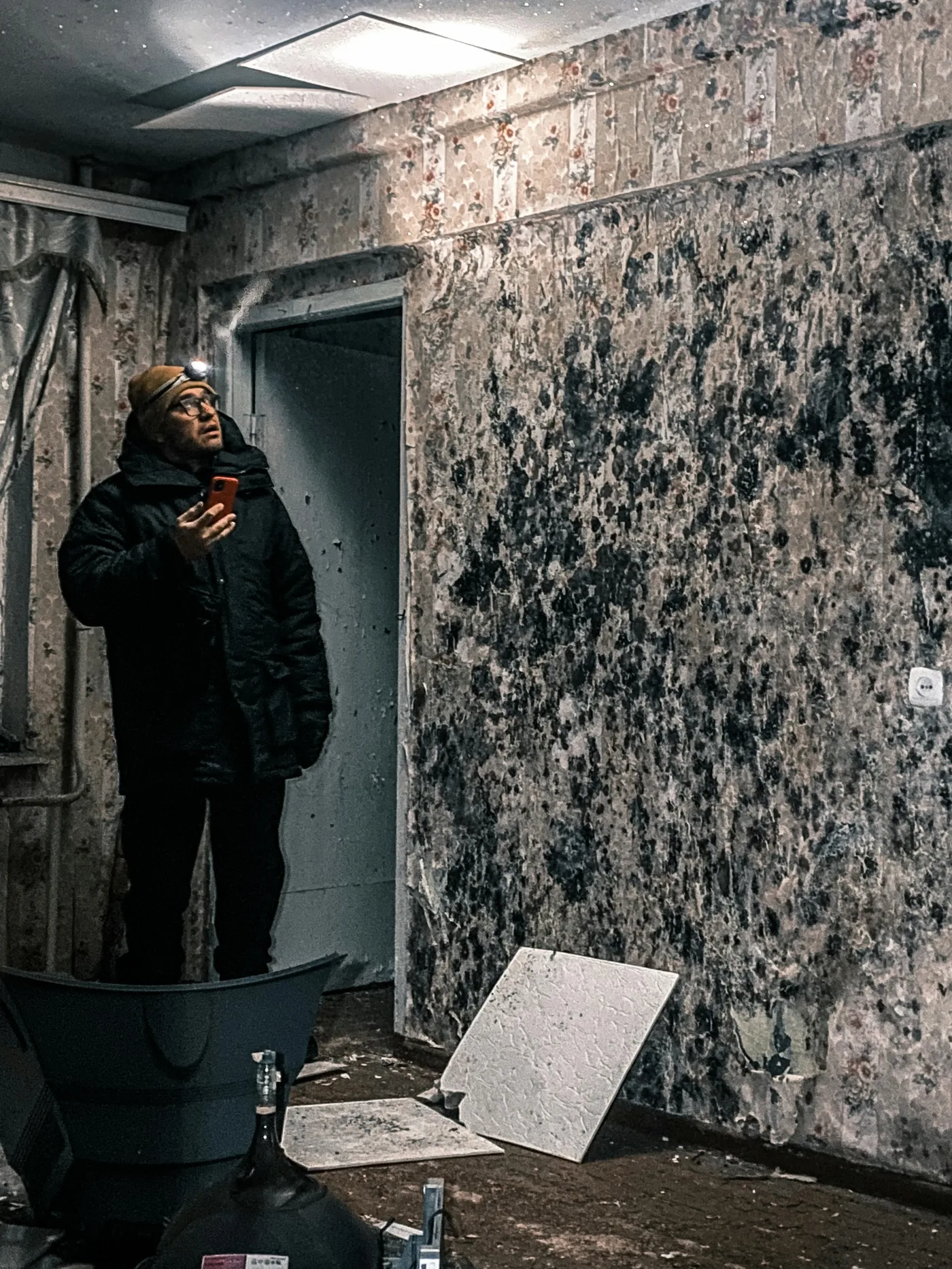
Mold Remediation Raleigh NC
IICRC & AMRT Certified • HEPA Containment • Clearance Testing • Free Estimates
Call (984) 205-4552 — Available 24/7Professional Mold Remediation in Raleigh, North Carolina
Raleigh’s climate creates persistent mold risk. With warm, humid summers and average relative humidity regularly above 65% from May through September, any moisture intrusion that isn’t addressed within 24 to 48 hours can produce visible mold growth. Raleigh’s older housing stock in the Five Points, Oakwood, Boylan Heights, and Cameron Village neighborhoods often features crawl spaces and older HVAC systems that are particularly vulnerable to mold accumulation after any water event. Post-flood mold is especially common following events like the 1999 Hurricane Floyd flooding and the 2016 Hurricane Matthew rainfall. Newer construction in North Raleigh, Brier Creek, and Apex is not immune — airtight building envelopes can trap moisture efficiently if drainage is inadequate. Our AMRT-certified mold remediation technicians serve all of Raleigh and Wake County. Call (984) 205-4552 for a free mold estimate.
Our Raleigh Mold Remediation Process
Mold remediation in Raleigh follows the IICRC S520 standard for professional mold remediation. Our process:
Mold Inspection & Testing — Thorough visual inspection of all affected areas including walls, ceilings, crawl spaces, and HVAC systems. Air sampling and surface sampling identify mold species and confirm the extent of contamination.
Containment — Negative-pressure containment using heavy-gauge polyethylene sheeting and air scrubbers prevents mold spores from spreading to unaffected areas during remediation.
HEPA Vacuuming & Surface Cleaning — HEPA vacuums capture mold spores from surfaces. EPA-registered antimicrobial solutions are applied to non-porous surfaces. Porous materials that cannot be effectively cleaned are removed and properly disposed of.
Drying & Moisture Control — We identify and eliminate the moisture source, then dry affected structural materials to appropriate moisture content levels using industrial dehumidifiers and air movers.
Clearance Testing — Post-remediation air sampling confirms spore counts have returned to normal outdoor levels before the job is considered complete.
Common Mold Problems in Raleigh Homes
- Crawl Space Mold — Many Raleigh homes, particularly in older neighborhoods and on lots with poor drainage near Crabtree Creek and Walnut Creek, have crawl spaces that accumulate ground moisture year-round. Without proper vapor barriers and ventilation, crawl space mold spreads into floor joists and subfloors.
- Post-Flood Mold — Homes that flooded during Hurricane Floyd in 1999, Hurricane Matthew in 2016, or subsequent events and were not professionally dried carry higher long-term mold risk. If you notice musty odors in a home that has flooded in the past, professional inspection is warranted.
- HVAC Mold — Raleigh’s humid summers create mold risk in air handling units, ductwork, and condensate drain pans. HVAC mold can spread spores throughout the entire home every time the system runs.
- Attic Mold — Poor attic ventilation traps humid summer air and promotes mold growth on roof sheathing. Common in older Raleigh homes where soffit and ridge venting has been blocked or was never properly installed.
- Bathroom & Basement Mold — Common in any Raleigh home. Basement mold often originates from groundwater infiltration during heavy rain events along Wake County drainage corridors.
Frequently Asked Questions — Mold Remediation Raleigh
-
Mold can begin colonizing within 24–48 hours of a water event in Raleigh’s climate. North Carolina summers provide warm temperatures and elevated humidity that accelerate mold establishment. Any wet organic building material — drywall, wood framing, insulation, carpet backing — is at risk from the moment moisture exposure begins. This is why the first 48 hours after a water event are the critical response window.
-
Peeling or bubbling paint, discolored drywall patches, soft spots on walls, or a persistent musty odor — particularly in a room that had prior water intrusion — are the primary indicators of mold behind walls. Air quality sampling can detect elevated spore counts even when visible growth is entirely hidden inside wall cavities. Do not open walls yourself if you suspect mold — disturbing a mold colony without proper containment spreads spores throughout the home.
-
Coverage depends on the cause. Mold that resulted from a covered sudden water event — burst pipe, appliance failure, storm roof damage — is often covered under the water damage claim in North Carolina. Mold from gradual leaks, condensation, or long-standing moisture issues is typically not covered. Document the connection between the water event and the mold growth thoroughly. We provide documentation to support insurance claims on every Raleigh mold remediation job.
-
Small areas of surface mold (under 10 square feet) on non-porous surfaces can sometimes be addressed by a homeowner using EPA-approved biocides and proper PPE. However, mold behind drywall, in attic sheathing, in crawl spaces, or following any water damage event almost always warrants professional remediation. DIY surface cleaning does not address mold inside building assemblies, and incomplete remediation leaves viable spores that regrow quickly under Raleigh’s warm, humid conditions.
Get a Free Mold Remediation Estimate in Raleigh
Don’t wait — mold spreads. Call (984) 205-4552 now or fill out the form for a free mold estimate in Raleigh, North Carolina.
AMRT Certified • HEPA Containment • Clearance Testing • Licensed & Bonded in North Carolina